
Institute of Cell and Neurobiology
Department of Neurology
We investigate how synaptic microcircuits are organized and how neuronal populations across regions generate dynamics during motor behaviour. Using high-throughput multi-neuron patch-clamp, multi-region Neuropixels recordings, and cross-species comparisons between mice and humans, we aim to understand network computation by linking local synaptic connectivity to in vivo population dynamics. Our long-term goal is to translate principles of connectivity and dynamics to the human brain and establish their pathophysiology in neurological disease.
Research
Synaptic microcircuits
Neurons in the brain communicate through synaptic connections, and the structure of these networks is crucial for information processing. To study these synaptic microcircuits, we developed a high-throughput multi-neuron patch-clamp approach. This led to the discovery of distinct wiring principles across cortical areas in rodents and humans. Future work will address how recurrent inhibition can be structured depending on cortical neuronal subtypes.
Large-scale population dynamics
On a broader scale, information in the brain is represented by the collective activity of neurons. To study these population dynamics during movement, we employ multi-site Neuropixels recordings that allow simultaneous monitoring of hundreds of neurons at milisecond precision. Current research focuses on the brain-wide population dynamics underlying goal-directed movement and how such activity can be affected by Parkinson’s Disease.

Team
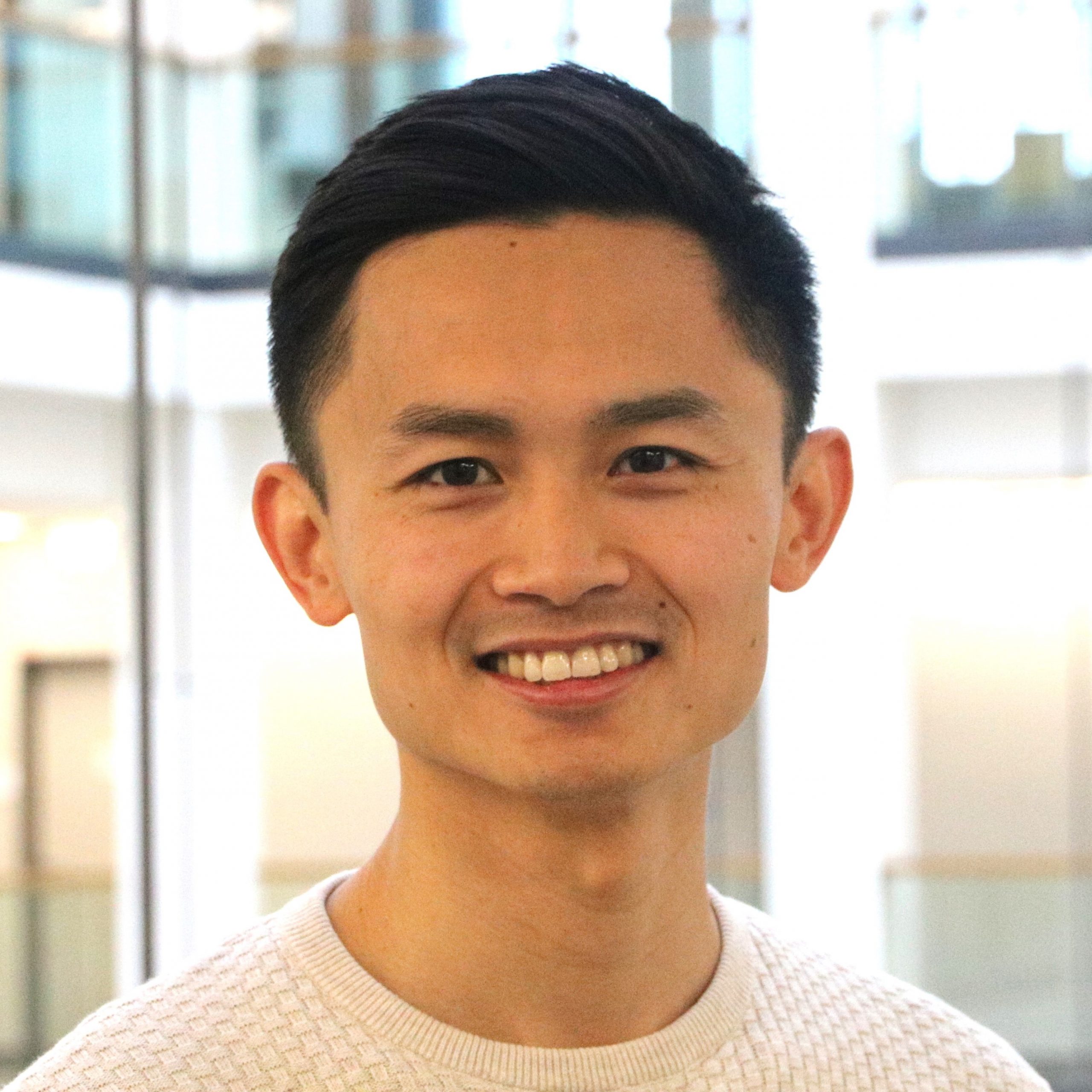
Yangfan Peng
Group leaderYangfan studied medicine at the Charité Berlin and completed his Dr. med. at the Institute of Neurophysiology. After developing multi-patch-clamp methods in Berlin, he expanded into systems neuroscience as a DFG Walter Benjamin Fellow at the MRC Brain Network Dynamics Unit in Oxford. Beyond research, Yangfan enjoys hiking, traveling, and spending time with his recently grown family.
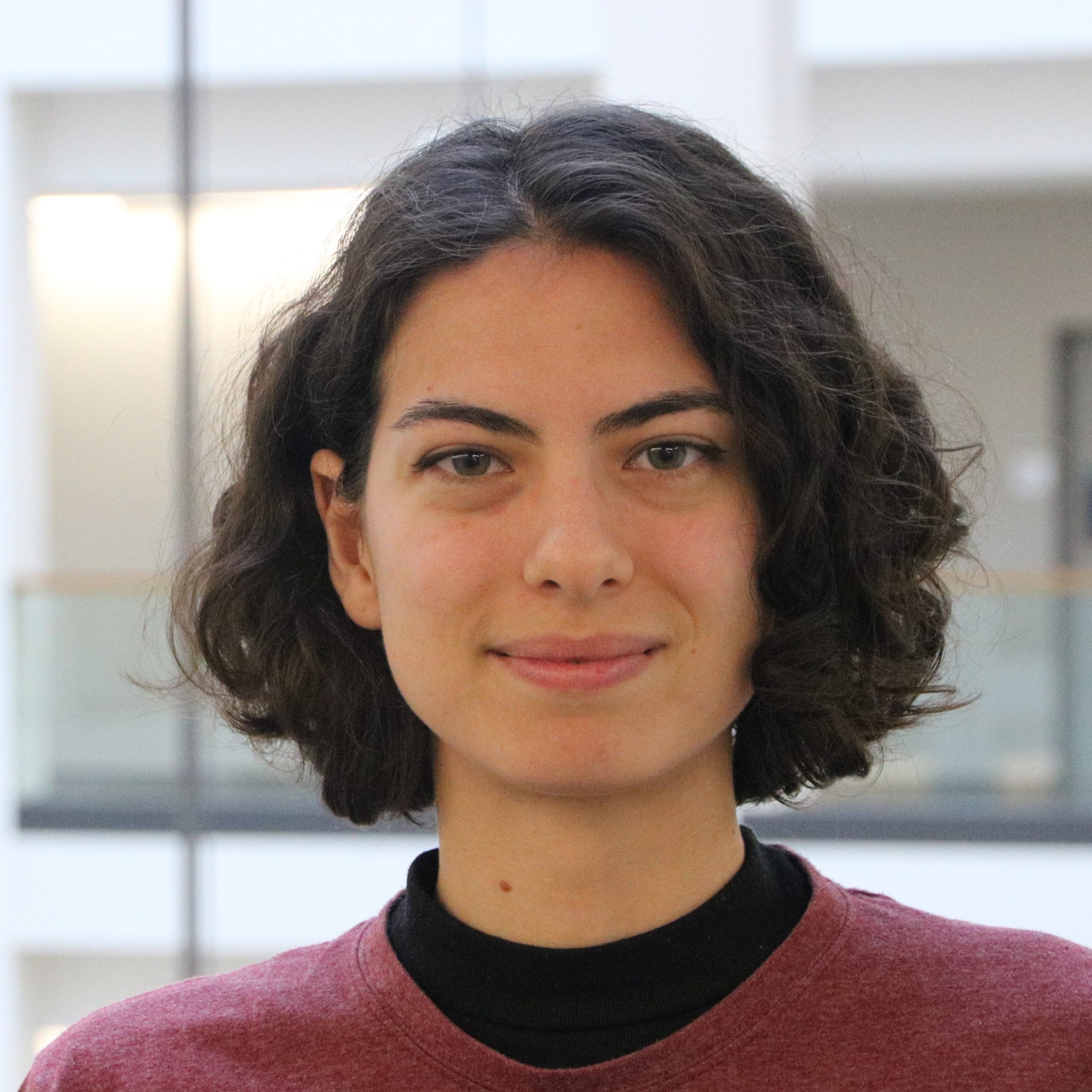
Öykü Okur
PhD student (co-supervision Julian Neumann)Öykü is a PhD fellow at the Einstein Center for Neurosciences, in Berlin. Her current project focuses on the analysis of movement-related local field potential oscillations of the mouse brain, across cortical and subcortical regions recorded with Neuropixels probes. During her PhD, she wants to combine computational tools with experimentation with Neuropixels. She has BSc in Molecular Biology & Genetics (Bilkent Uni., Turkey), and MSc in Medical Neurosciences (Charité). Besides research, she is a student representative to establish an equal and safe academic environment for PhD students and has a passion for science communication.
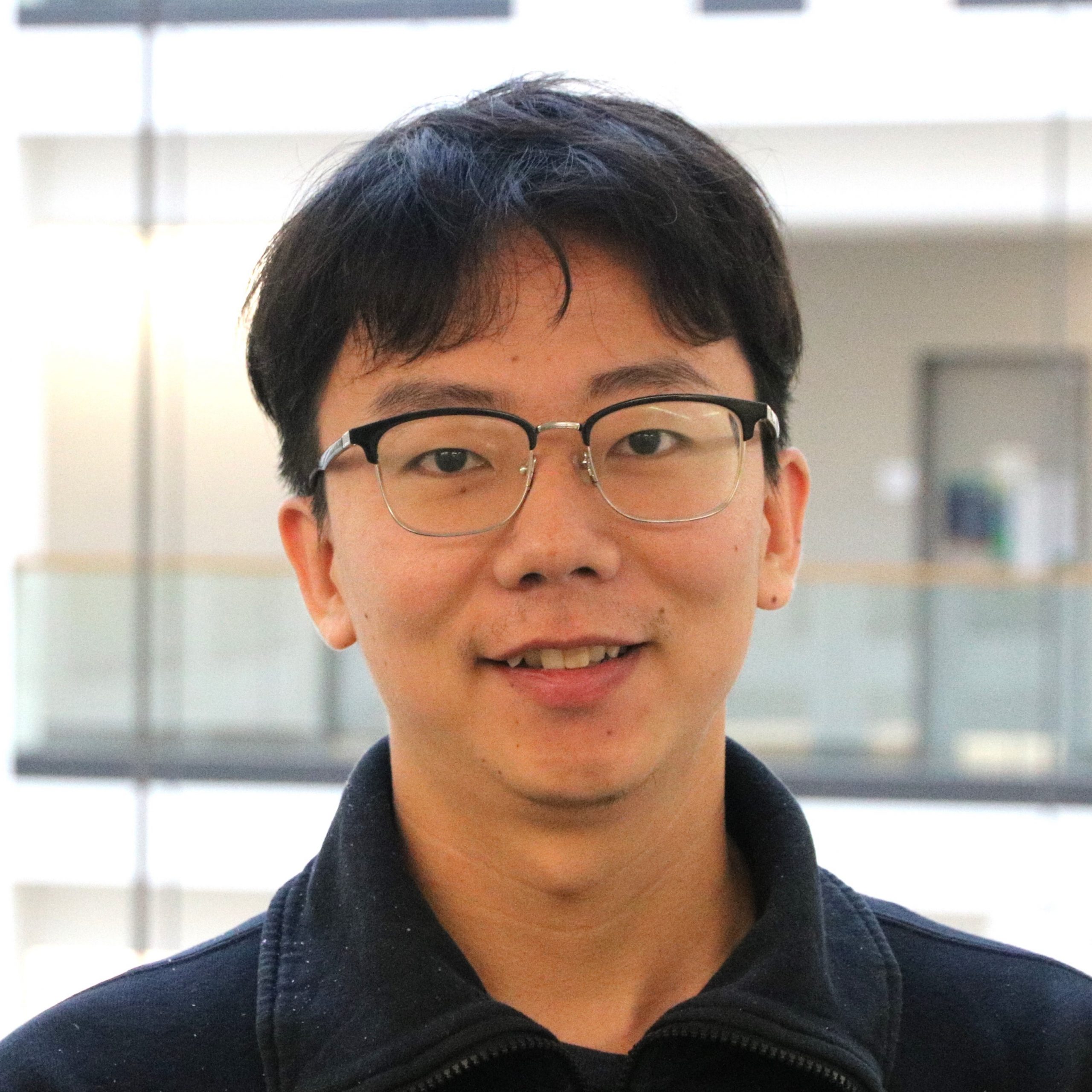
Shengyuan Cai
PhD studentShengyuan is a PhD student at the Charité Berlin. His current research focuses on neural latent variable models to estimate within and across region interactions fom large-scale electrophysiology recordings. He conducted his MRes project at Imperial College London in the Schultz lab, and has a BSc in Electrical and information engineering (Shandong Uni, China). He also attended the Chinese Academy of Sciences, Southern university of science and technology as a visiting research student. Outside of research, He is a board game, basketball and cycling enthusiast.

Angel C
PhD studentAngel is a PhD student at the Charité Berlin. In his current project, he aims to gain a better understanding of distributed movement-related neuronal population dynamics across the cortico-basal ganglia network, their changes in the hypodopaminergic PD state and their rescue by neuromodulation. He has a Medicine Degree (MD, Mexico) and a Research Master of Science in Neuroscience (MScRes, The Netherlands). After research activities, Angel enjoys traveling, socializing, cooking, exploring and learning new things.
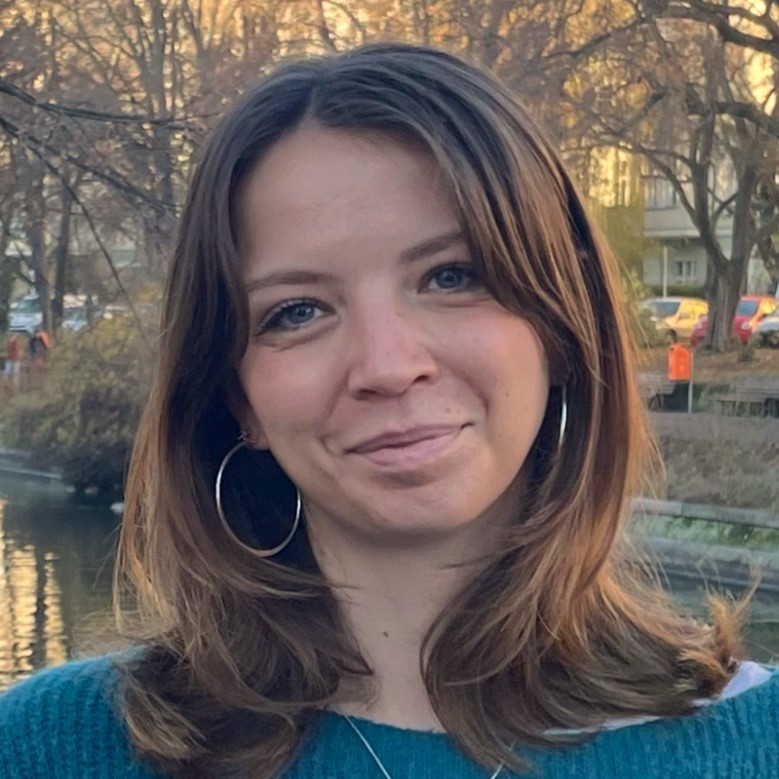
Holly Nelson
Research assistantHolly is a Master’s student in the Medical Neuroscience program at the Charité Berlin and holds a Bachelor’s degree in Biopsychology from the University of California, Santa Barbara. As a student assistant, she supports studies using Neuropixels recordings in animal models and human brain tissue. Outside of research, she enjoys reading, surfing, and traveling.
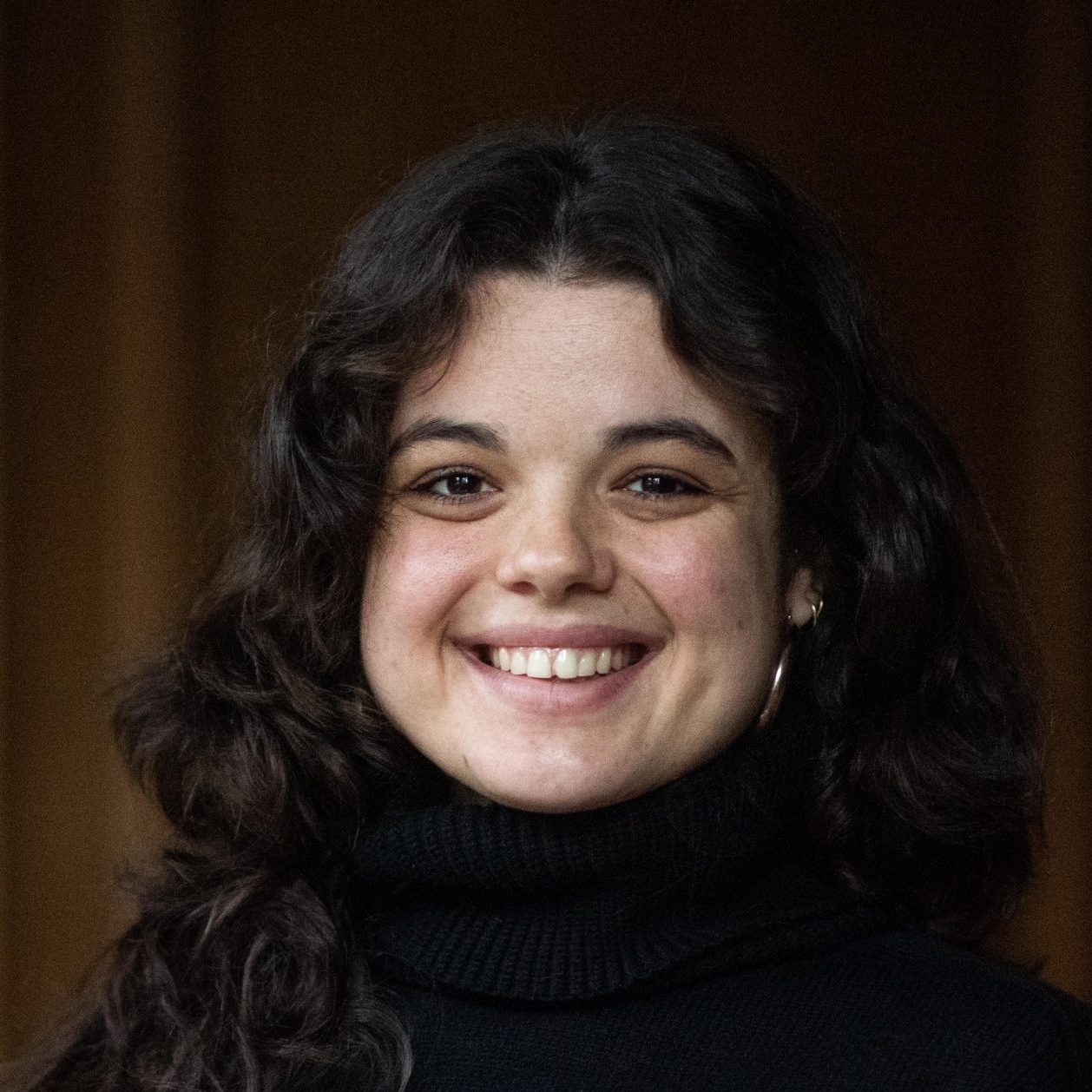
Sasha Tinelli
PhD student (co-supervision Andrew Sharott)Sasha is pursuing a DPhil at the University of Oxford where she studies as a Rhodes Scholar. In her present work she is using Neuropixels probes to record across diverse brain regions in the mouse during performance of multiple movement types. She plans to use her unique datasets to understand the mechanism underlying Parkinsonian paradoxical kinesia. Sasha has a BSc in Biochemistry and Human Physiology (University of Cape Town) and an MSc in Neuroscience (University of Oxford). Outside of neuroscience Sasha is a keen photographer, climber and cook.
Master students
- Astrid Bratland Lund
Alumni
- Elene Mchedlishvili (Lab rotation)
Publications
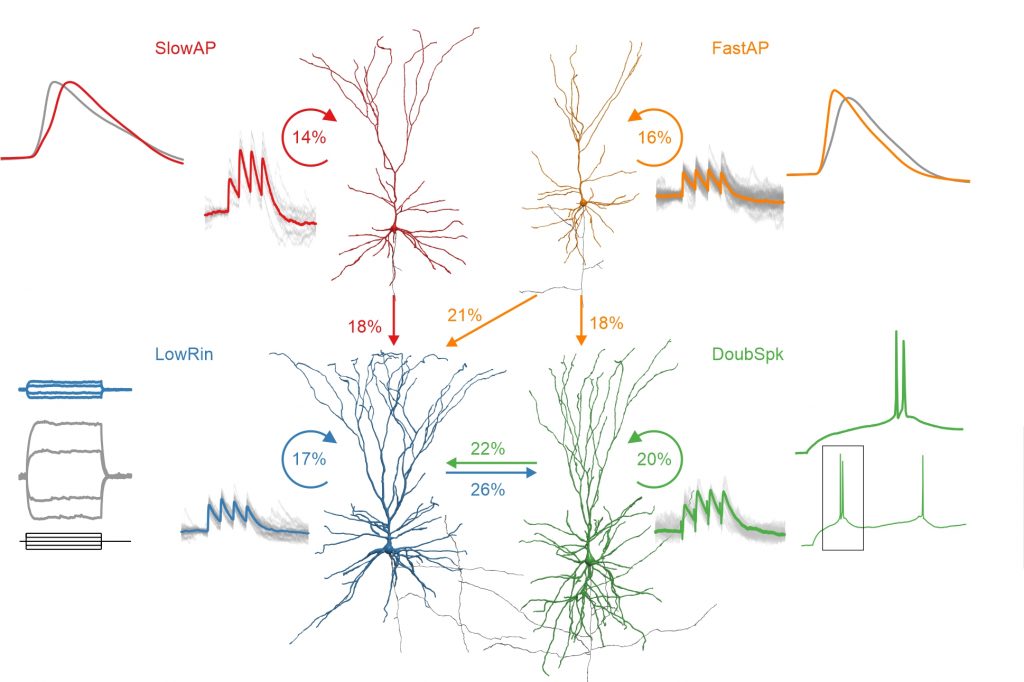
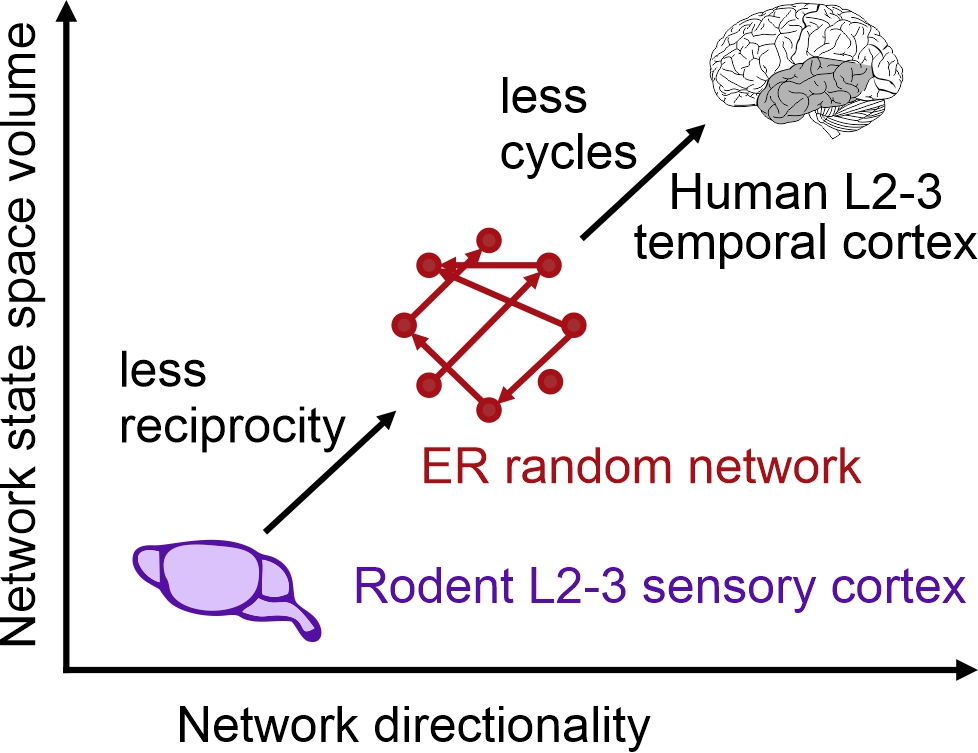
Directed and acyclic synaptic connectivity in the human layer 2-3 cortical microcircuit
Peng Y, Bjelde A, Vilimelis Aceituno P, Mittermaier FX, Planert H, Grosser S, Onken J, Faust K, Kalbhenn T, Simon M, Radbruch H, Fidzinski P, Schmitz D, Alle H, Holtkamp M, Vida I, Grewe BF, Geiger JRP.
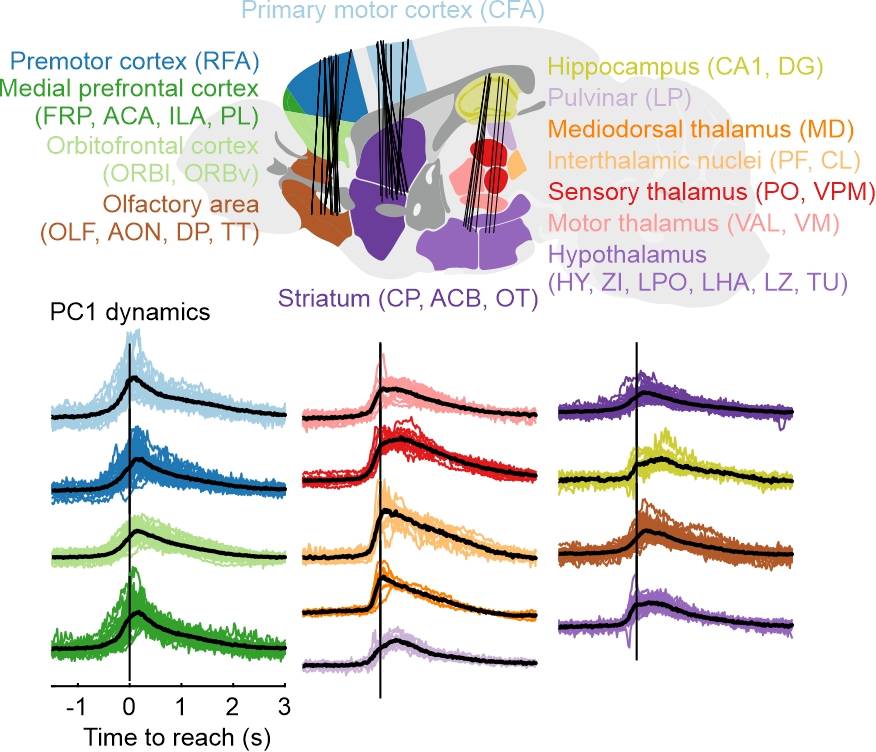
Brain-wide population activity during reaching integrates action-mediated goal expectation
Peng Y, Lindersson C, Tinelli S, Stedehouder J, Shah RS, Lak A, Stagg CJ, Sharott A.
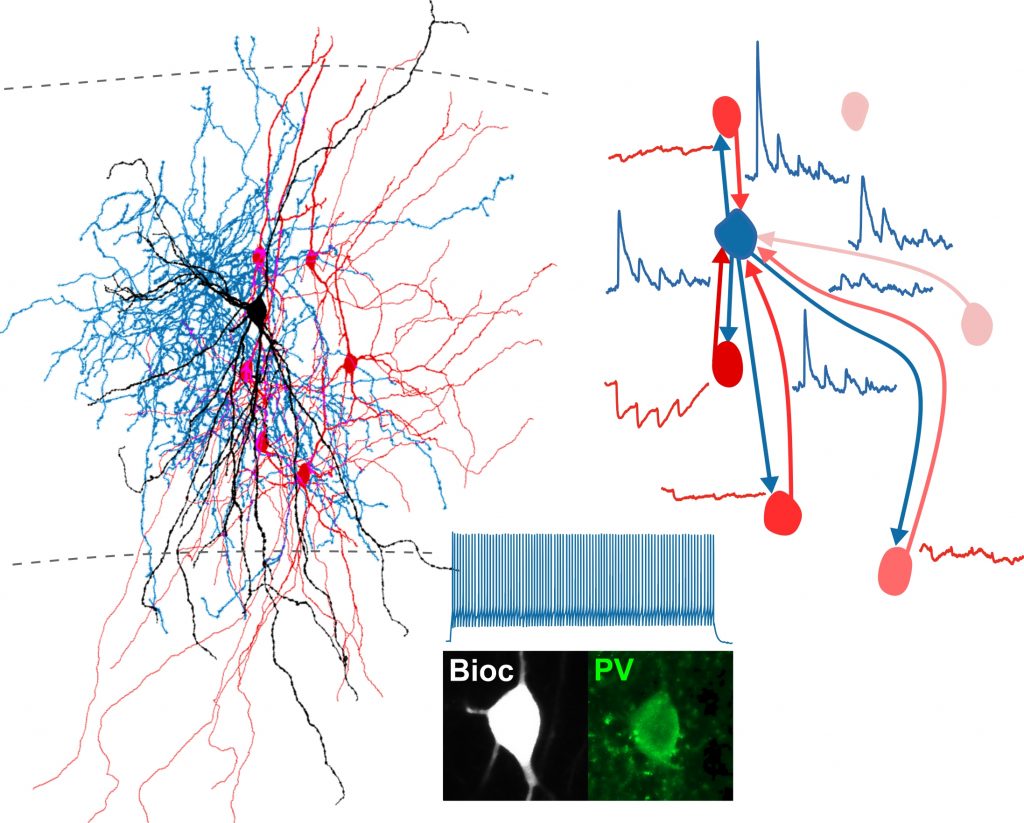
Spatially structured inhibition defined by polarized parvalbumin interneuron axons promotes head direction tuning
Peng Y*, Tomas FJB*, Pfeiffer P, Drangmeister M, Schreiber S, Vida I, Geiger JRP.
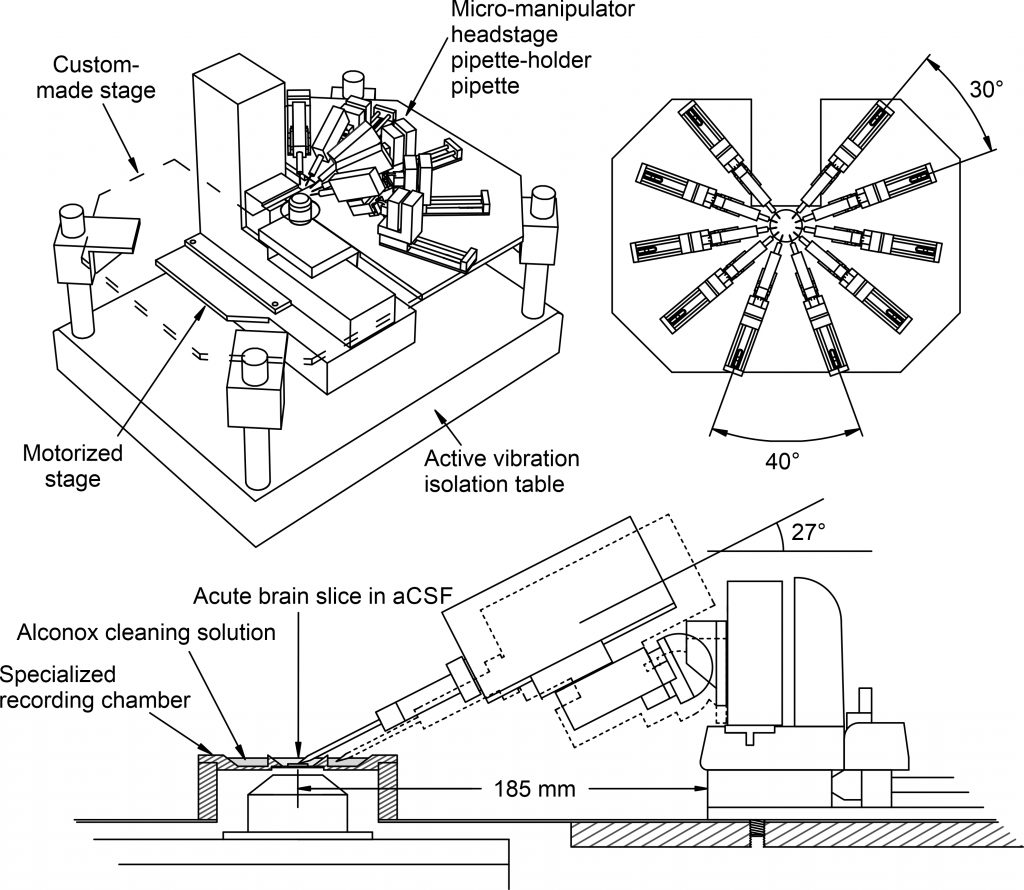
High-throughput microcircuit analysis of individual human brains through next-generation multineuron patch-clamp
Peng Y, Mittermaier FX, Planert H, Schneider UC, Alle H, Geiger JRP.
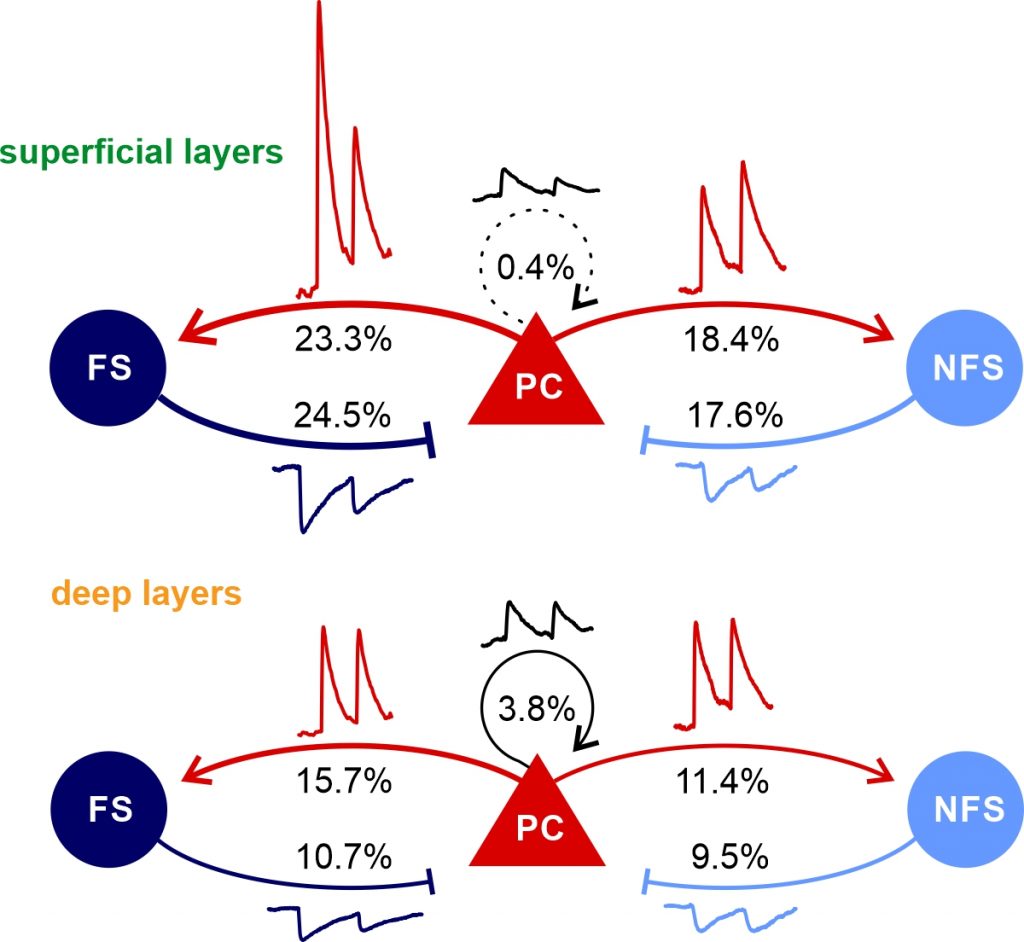
Layer-Specific Organization of Local Excitatory and Inhibitory Synaptic Connectivity in the Rat Presubiculum
Peng Y, Tomas FJ, Klisch C, Vida I, Geiger JRP.
Peng Y, Schöneberg N, Esposito MS, Geiger JRP, Sharott A, Tovote P. Current approaches to characterize micro- and macroscale circuit mechanisms of Parkinson’s disease in rodent models. Experimental Neurology. 2022. Link to publication.
Schinke C, Vallone VF, Ivanov A, Peng Y, Körtvelyessy P, Nolte L, Huehnchen P, Beule D, Stachelscheid H, Boehmerle W, Endres M. Modeling chemotherapy induced neurotoxicity with human induced pluripotent stem cell (iPSC)-derived sensory neurons. Neurobiology of Disease. 2021. Link to publication.
Borngräber F, Peng Y, Ostendorf F, Kühn AA, Ganos C. Teaching Video NeuroImages: Characteristic head jerks in congenital oculomotor apraxia due to Joubert syndrome. Neurology. 2019. Link to publication.
Böhm C, Peng Y, Geiger JR, Schmitz D. Routes to, from and within the subiculum. Cell and Tissue Research. 2018. Link to publication.
Winterer J, Maier N, Wazny C, Beed P, Breustedt J, Evangelista R, Peng Y, D’Albis T, Kempter R, Schmitz D. Excitatory Microcircuits within Superficial Layers of the Medial Entorhinal Cortex. Cell Reports. 2017. Link to publication.
Böhm C, Peng Y, Maier N, Winterer J, Poulet J, Geiger JR, Schmitz D. Functional Diversity of Subicular Principal Cells during Hippocampal Ripples. The Journal of Neuroscience. 2015. Link to publication.
Gallery
Join
If you are interested in joining our lab, please send a motivation letter and CV to yangfan.peng(at)charite.de
Get in touch, if you are interested in a lab rotation or a master thesis.
Media
🧠 Curious about how neurons are wired in the human cortex?
— Yangfan Peng (@YangfanPeng) April 19, 2024
Our @ScienceMagazine study tested over 7,000 connections and revealed key differences from rodents:
"Directed and acyclic synaptic connectivity in the human layer 2-3 cortical microcircuit". 🧵👇https://t.co/yUeQjbDSh7 pic.twitter.com/3SKNejyULk
1/4 Want to probe over 100 synaptic connections at once? Check out our new paper @eLife with @FMittermaier on how to set up a multipatch with automated pipette cleaning and how it applies to human cortical slices https://t.co/uoIt73yLx8 #neuroscience #sciencetwitter #ephys pic.twitter.com/m5E77tsk6i
— Yangfan Peng (@YangfanPeng) December 6, 2019
How selective is interneuron connectivity? Our latest multi-patch study in @ScienceAdvances identifies a new spatial connectivity rule of recurrent inhibition in the presubiculum🧠 and demonstrates its advantage for head direction tuning🧭. ➡️https://t.co/pZv4dGaa1Z
— Yangfan Peng (@YangfanPeng) June 16, 2021
Summary👇 1/ pic.twitter.com/ieGtKFqtHT